
Leh to Nubra Valley Taxi
Book a reliable Leh to Nubra Valley taxi. View official 2026 Ladakh Taxi Union rates, local driver profiles and expert route guides via Khardung La.
Quick Route Overview
- Distance (Leh to Diskit) : 118 km
- Distance (Leh to Hunder): 150 km
- Travel time (one-way): 4.5–6 hours, depending on the pass traffic and weather
- Route : Leh → South Pullu → Khardung La → North Pullu → Khardung village → Khalsar → Diskit → Hunder
- Highest point: Khardung La, 17,582 ft (5,359 m)
- Permit required: Inner Line Permit (ILP) for both Indian and foreign nationals
- Best months: Mid-May to early October
- Recommended vehicle: SUV (Innova, Xylo, Scorpio) or Tempo Traveller for groups
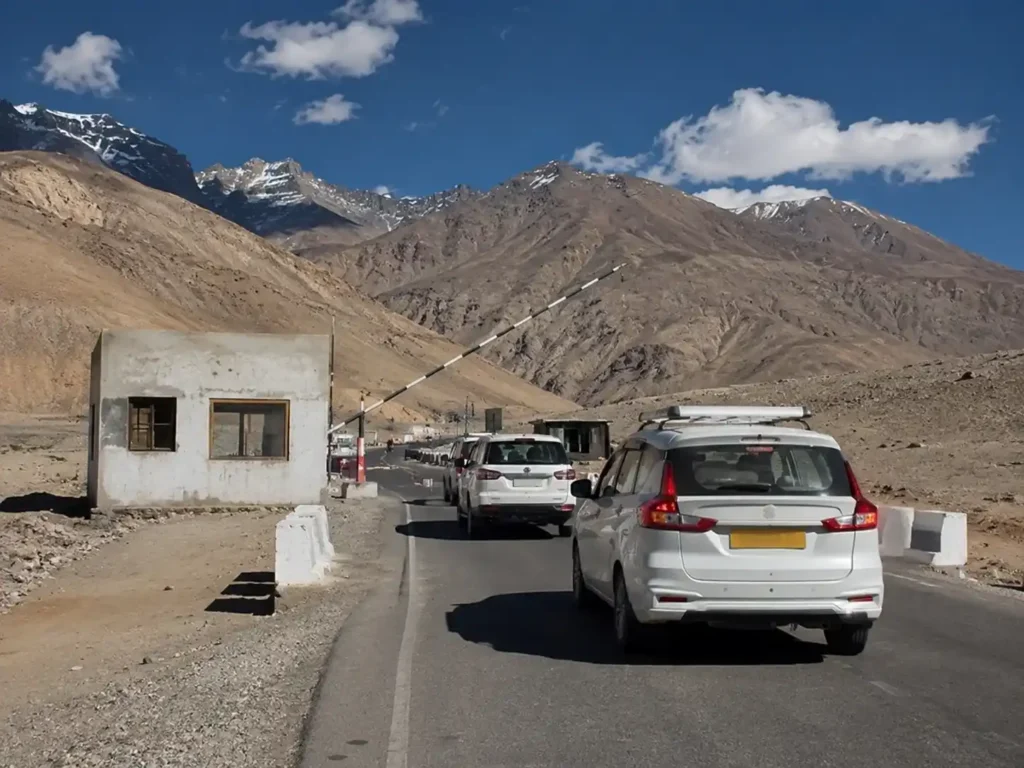
Leh to Nubra Valley Taxi: Complete Route, Fare & Booking
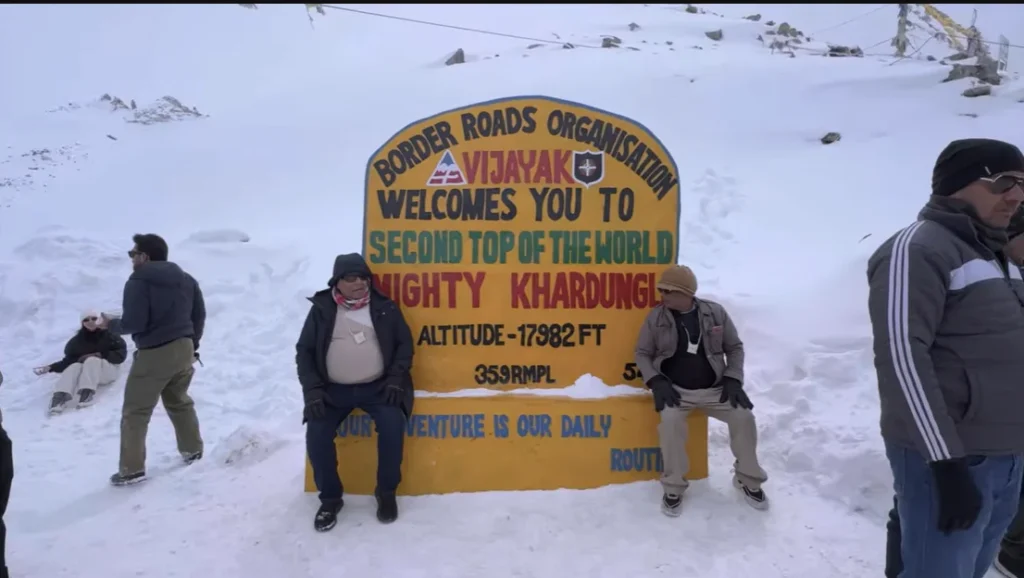
If you have spent even a day in Leh, you have already heard about Nubra Valley, the sand dunes, the double-humped Bactrian camels, the road over Khardung La that everyone photographs next to the “highest motorable pass” signboard. What most first time travelers underestimate is that the journey itself is the experience, not just the destination. This guide covers exactly what to expect on a Leh to Nubra Valley taxi ride , the real distances, the checkpoints, the road conditions by month, honest pricing and the planning details that actually matter at 17,000+ feet.
Official 2026 Ladakh Taxi Union Pricing & Fleet Choices
| Trip Type | Approximate Fare (per vehicle) |
|---|---|
| Leh to Nubra Valley (1-Day Round Trip Drop) | ₹15,000 – ₹18,000 |
| Leh – Nubra (Diskit/Hunder) – Leh (2 Days / 1 Night Halt) | ₹16,000 – ₹20,000 |
| Leh–Nubra including Turtuk, 3 days/2 nights | ₹25,000 – ₹29,000 |
| Leh – Nubra (incl. Sumur & Panamik) – Leh (2 Days) | ₹20,000 – ₹25,000 |
| Tempo Traveller, 2 days/1 night (per vehicle) | ₹22,000 – ₹26,000 |
Note: The above rates are subject to change and may vary depending on the tourist season.
Understanding the Mandatory Union Fine Print:
Night Halt Fees: If you plan a custom multi-day itinerary, an official night halt surcharge of ₹385 per night is added to cover your driver’s basic overnight lodging.
Air Conditioning On-Demand: Standard pricing assumes AC is turned off during steep mountain climbs to prevent vehicle overheating. If you request active AC on flat valley stretches, drivers collect an extra ₹9 per km.
The Non-Local Vehicle Ban: Non-Ladakh registered commercial cars or self-drive commercial vehicles (like Zoomcar) are strictly prohibited by the union from operating tourist circuits within Nubra Valley or Pangong. They can only drop you at Leh. To explore the interior valleys safely, you must use a local Leh-registered taxi.
Choosing Your Taxi: Vehicle Types and Pricing

Sedan (Dzire, Etios):
Technically permitted on the maintained sections but not recommended for the full Khardung La crossing because ground clearance and traction become an issue near the pass, especially if there's slush or a stream crossing.
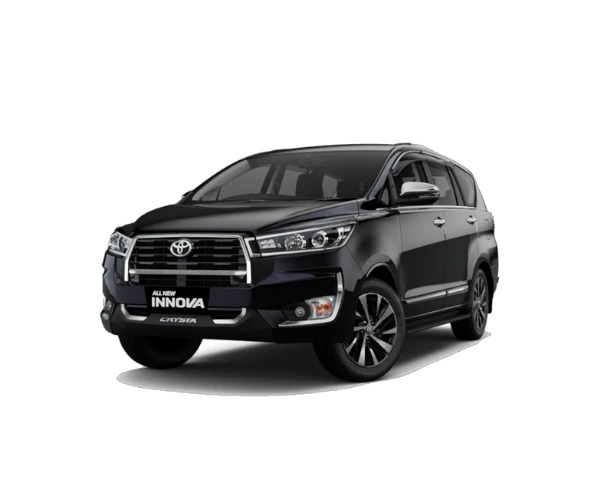
SUV (Innova, Innova Crysta, Scorpio, Xylo)
The standard choice for this route. Higher ground clearance, more comfortable for the long climb and what most Ladakh taxi unions default to for Nubra bookings.
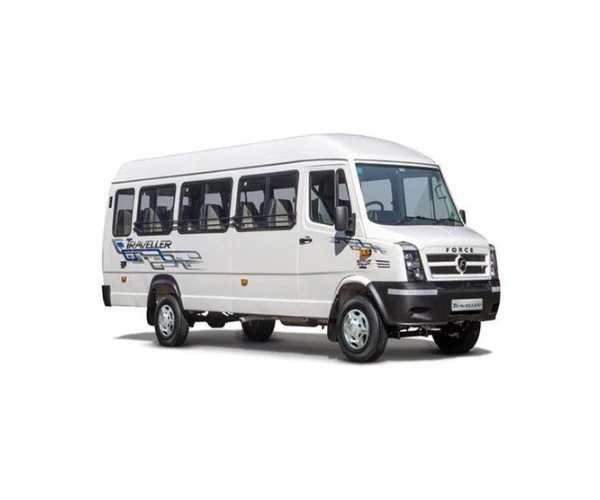
Tempo Traveller (12–17 seater)
Best for families or groups traveling together — one vehicle, one driver, and a fare that splits down to less per person than multiple SUVs.
The Complete Route: Leh to Nubra Valley via Khardung La
Distance, Travel Time and Road Conditions
The straight line distance from Leh to Diskit (Nubra’s administrative town) is around 118 km and to Hunder where most people actually stay for the dunes is closer to 150 km. On paper that sounds like a 2-hour drive. In practice, it takes 4.5 to 6 hours one-way.
The road climbs nearly 12,000 feet in barely 40 km, so speed isn’t the constraint the terrain, altitude and traffic at the pass are.
Road conditions change meaningfully by season:
June to September: The road is generally in its best shape, freshly cleared and maintained by the Border Roads Organisation (BRO). Expect a mix of smooth tarmac and rougher patches near the pass itself, especially where meltwater cuts across the road and turns sections into slush or shallow stream crossings.
Early-mid May and late September-October: The road is open but can have residual snow patches near the top and colder, icier mornings. Drivers typically prefer to cross Khardung La before noon in these shoulder months.
Winter (November-April): Khardung La is officially closed to tourist traffic due to snow. Nubra Valley taxi bookings effectively pause during this window.
Monsoon effect: Ladakh sits in a rain shadow, so it doesn’t see monsoon rain like the rest of India, but occasional cloudbursts can cause landslides or temporary road blocks, particularly on the North Pullu side. This is rare but not unheard of build in a buffer day if you are on a tight itinerary.
Key Stops and Checkpoints En Route
This is the part most guides skip and it’s exactly where travelers get confused:
- South Pullu: The first checkpoint after leaving Leh, roughly 24 km in. This is where your Inner Line Permit is checked on the way up. Keep photocopies ready as the checkpoint staff usually retain one copy.
- Khardung La: The summit. There’s a small cafe, a army-run tea stall, a photo point with the elevation signboard and depending on oxygen levels available in your body that day a very short walk to the viewpoint. Most drivers limit stopping time here to 15-20 minutes spending longer at this altitude with no acclimatization is where people start feeling the effects of thin air.
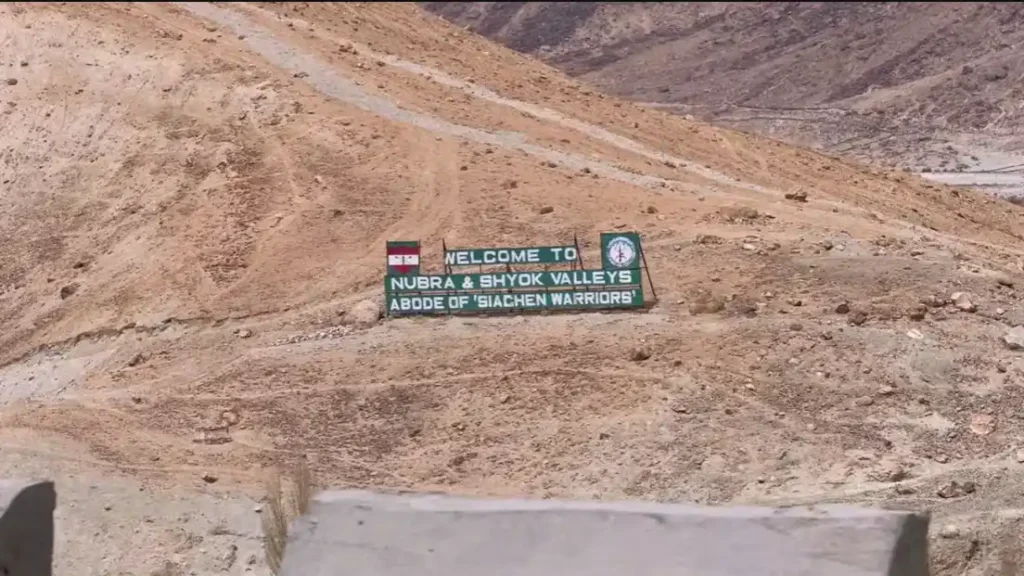
- North Pullu: The second checkpoint, on the descent into Nubra. This is technically where the ILP is checked again for those coming into the valley. Some drivers combine the South Pullu and North Pullu formalities depending on current checkpoint policy, so don’t be surprised if the process feels slightly different from what you read elsewhere.
- Khardung village: A small settlement where the road starts to level out. Good spot for a short break if your driver stops for tea.
- Khalsar: This is where the road splits one arm goes toward Panamik and Sumur (the northern part of Nubra), the other toward Diskit and Hunder. Most first-time visitors take the Diskit-Hunder route.
- Diskit: Home to the Diskit Monastery and the 32-meter Maitreya Buddha statue overlooking the Shyok River making it one of the most photographed spots in all of Nubra.
- Hunder: The final stretch, known for its sand dunes and the Bactrian camel rides. Most taxi itineraries base you here for the night.
Scenic Viewpoints and Photography Spots
- Khardung La summit signboard — the classic shot, but go early morning for clean light and fewer vehicles crowding the frame.
- The descent just past North Pullu — this is where the barren, moon like Khardung La terrain gives way to the first glimpses of the green Nubra basin. It’s a striking contrast that photographs better than the pass itself.
- Diskit Monastery viewpoint — the Maitreya Buddha statue with the Shyok River and the valley below makes for the most iconic wide shot of the trip.
- Hunder sand dunes at golden hour — the dunes take on a completely different color in the late afternoon light and this is also when the camels are typically out.
- The Shyok riverbank near Khalsar — an underrated stop, the river braiding through the sand flats against the mountains is a favorite among photographers who have done this route more than once.
Permits, Altitude and Practical Travel Tips
Permits: Every traveler whether Indian or foreign needs an Inner Line Permit to enter Nubra Valley. These are usually arranged online through the Ladakh administration’s portal or through your taxi/tour operator and they typically take a few hours to a day to process. Carry both a digital and printed copy, checkpoints don’t always have reliable internet to verify e-permits.
Vehicle type: This is not a route for hatchbacks or low-ground-clearance sedans, regardless of what some booking sites list. The pass sections have loose gravel, occasional stream crossings and steep gradients. An SUV (Innova, Xylo, Scorpio) is the practical minimum for groups of 6 or more, a Tempo Traveller is more comfortable and often works out cheaper per person.
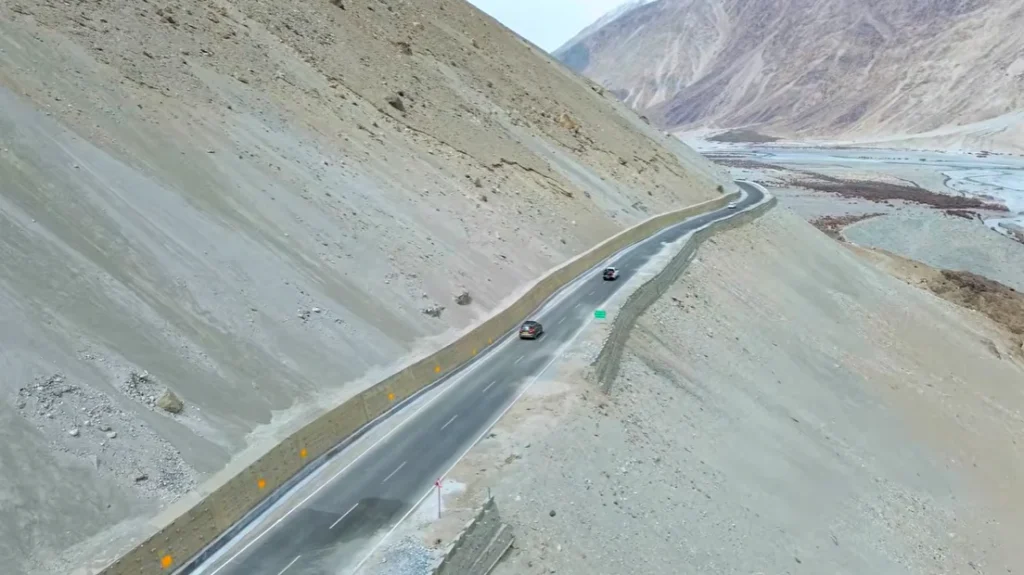
Altitude: Leh itself sits at about 11,500 ft, but Khardung La at 17,582 ft is a different order of altitude entirely. The general advice is spend at least one full day acclimatizing in Leh before attempting the pass, it is not a formality, it’s the single biggest factor in whether your Nubra trip is comfortable or miserable. Mild headache, breathlessness or dizziness at the pass is common and usually passes once you descend into Nubra (which is actually lower in altitude than Leh, around 10,000 ft). Carry water, avoid alcohol the night before and mention any pre-existing heart or lung conditions to your driver most Ladakhi drivers are genuinely experienced in reading altitude sickness symptoms and will adjust the stop duration at the pass accordingly.
Best time to travel: Mid-May through early October is your window. June to August is peak season with the most stable road conditions but also the most traffic at Khardung La so expect a queue of vehicles at the summit during midday. September is a quieter, arguably better month with clearer skies, thinner crowds and the poplar trees in Nubra start turning gold.
How to Book Leh to Nubra Valley taxi
Call or WhatsApp with:
- Travel date
- Pickup location
- Number of passengers
- One-way or round trip
We confirm availability, share final Leh to Nubra valley taxi and reserve your vehicle instantly.
Advance booking is recommended during peak months.
Call Now: +91-9796466052
Email: infotravelmykashmir@gmail.com
WhatsApp: +91-9796466052
Book Your Leh to Nubra valley Cab Today
FAQs – Leh to Nubra valley Taxi service
Q: Is the road from Leh to Nubra Valley safe for someone crossing Khardung La for the first time?
A: Yes, with the standard precaution of spending a day acclimatizing in Leh first. The road is maintained through the tourist season and driven daily by experienced local drivers. The main risk isn’t the road , it’s skipping acclimatization and feeling the effects of altitude at 17,500+ ft.
Q: Can I do Leh to Nubra Valley as a same-day trip without staying overnight?
A: Technically the driving distance allows it, but it’s not recommended. Between the altitude adjustment at the pass, permit checks at both checkpoints and wanting actual time in Diskit and Hunder rather than just passing through, almost every experienced operator will push you toward at least one night in Nubra.
Q: Do I need a separate permit for Hunder, Diskit, and Turtuk or does one Inner Line Permit cover all of Nubra?
A: A single Inner Line Permit covers the core Nubra Valley area, including Diskit and Hunder. If you’re extending to Turtuk (near the Pakistan border) or further toward Panamik, check with your operator, as some of these areas have had separate permit stipulations depending on current regulations.
Q: Is Khardung La actually the highest motorable pass in the world?
A: This claim has been debated for years several passes in Ladakh (including Umling La) and a few in other countries now hold documented higher elevations. Khardung La remains the most iconic and commonly crossed pass on this specific route and the signboard claim persists as much for tradition as accuracy.
Q: Can a sedan or hatchback make it to Nubra Valley, or is an SUV mandatory?
A: While the road is technically passable by a sedan in dry, peak-season conditions, it’s not the practical or safe choice. Loose gravel, occasional water crossings and steep gradients near the pass mean an SUV is the realistic minimum most taxi unions and experienced operators will recommend.
Q: What’s the difference between a shared taxi and a private taxi for this route and which is better for a couple?
A: A shared taxi splits the vehicle (and cost) among several travelers, usually filled through informal coordination at Leh’s taxi stands or via booking platforms. It’s significantly cheaper per person but runs on flexible timing that depends on the group filling up. A private taxi costs more overall but gives you full control over stop duration, especially useful if either traveler wants extra acclimatization time at the pass.
Q: When does the road to Nubra Valley close for winter and can I still visit in October?
A: Khardung La typically stays open to tourist traffic through early-to-mid October, though this shifts a little year to year based on early snowfall. By late October it usually closes for the season. If you are traveling in early October, check current road status a few days out rather than assuming it’s guaranteed open.
Related Reading
- Srinagar to Leh Taxi Booking — planning the full road trip into Ladakh
- Leh to Pangong Lake Taxi — for combining Pangong with a Nubra Valley trip
- 7 Top Tips to Hire a Taxi from Srinagar to Leh — practical advice for the approach journey
- Innova Cab Service in Kashmir — the recommended vehicle class for high-altitude routes
- Tempo Traveller Options in Kashmir — for larger family or group bookings
- Taxi Rates in Kashmir — for comparing fares across regions
Popular Kashmir Taxi Routes
- Srinagar to Pahalgam Taxi
- Srinagar to Leh Taxi
- Srinagar to Gulmarg Taxi
- Amarnath Yatra Taxi
- Srinagar to Sonmarg Taxi
- Srinagar to Yusmarg Taxi
- Srinagar to Doodhpathri Taxi
- Srinagar to Gurez Taxi
- Srinagar to Sinthan Top Taxi
- Srinagar to Bangus valley Taxi
- Srinagar to Keran Taxi
- Srinagar to Leh Tempo Traveller